

Who we are
A luxury general contractor that takes the hard projects.
YAF Development specializes in architecturally complex custom homes and renovations — hillside builds, architectural concrete, custom steel, tight coordination between architect, designer, and owner.
Founded by Yousef Al-Fassi, YAF Development builds luxury custom homes from $2M to $20M+ across Los Angeles — Beverly Hills, Pacific Palisades, Bel Air, Pasadena, and La Cañada Flintridge. Services include ground-up construction, whole-home renovations, hillside builds, fire rebuilds, and pre-construction budgeting. CA License #1113132.
We're building an 11,000 sq ft ground-up in La Cañada Flintridge right now. The site's open to walk if that's useful. We protect the design intent, run weekly OAC meetings, and keep the books open — no surprise change orders.
What we do
Six ways we deliver.
Ground-Up Custom Homes
From raw lot to final walkthrough. Structural complexity is where we're strongest.
Luxury Renovations
Whole-home transformations, kitchens, baths — built to outlast the trends.
Architectural Concrete & Steel
Exposed concrete, custom steel, the details that make a design sing.
Hillside & Complex Sites
Caissons, retaining systems, difficult access — the builds others decline.
Pre-Construction & Budgeting
Real numbers before you commit. Constructability review with your architect.
Fire Rebuild Consulting
We've bid and scoped rebuilds in Altadena and the Palisades. We know the process cold.
Selected work
Projects that earned the reputation.
La Cañada Flintridge
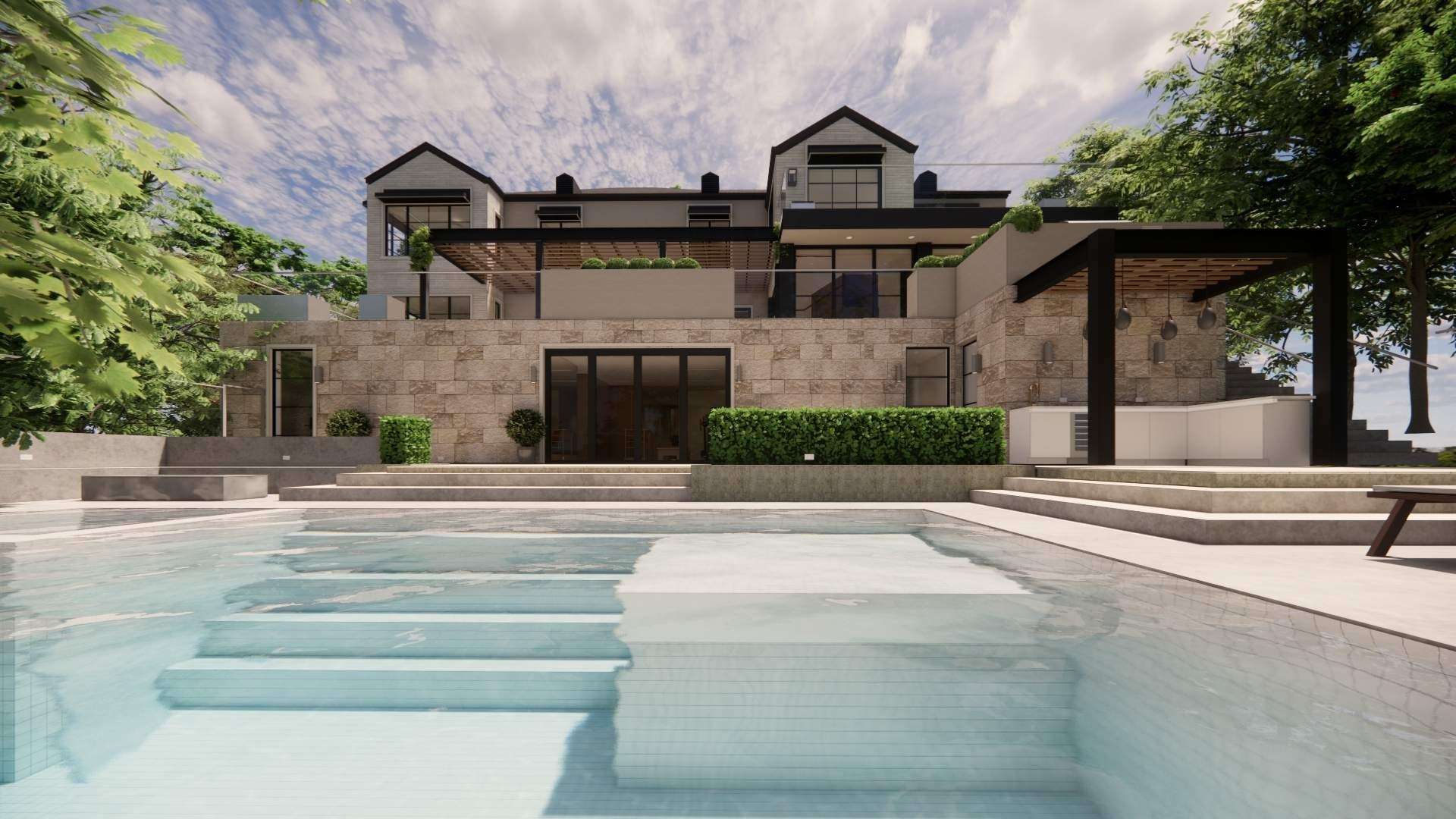
The 11,000 sq ft Ground-Up
A complex ground-up custom residence on an active site. Architectural concrete, custom steel, full system integration — coordinated weekly with the design team.
View project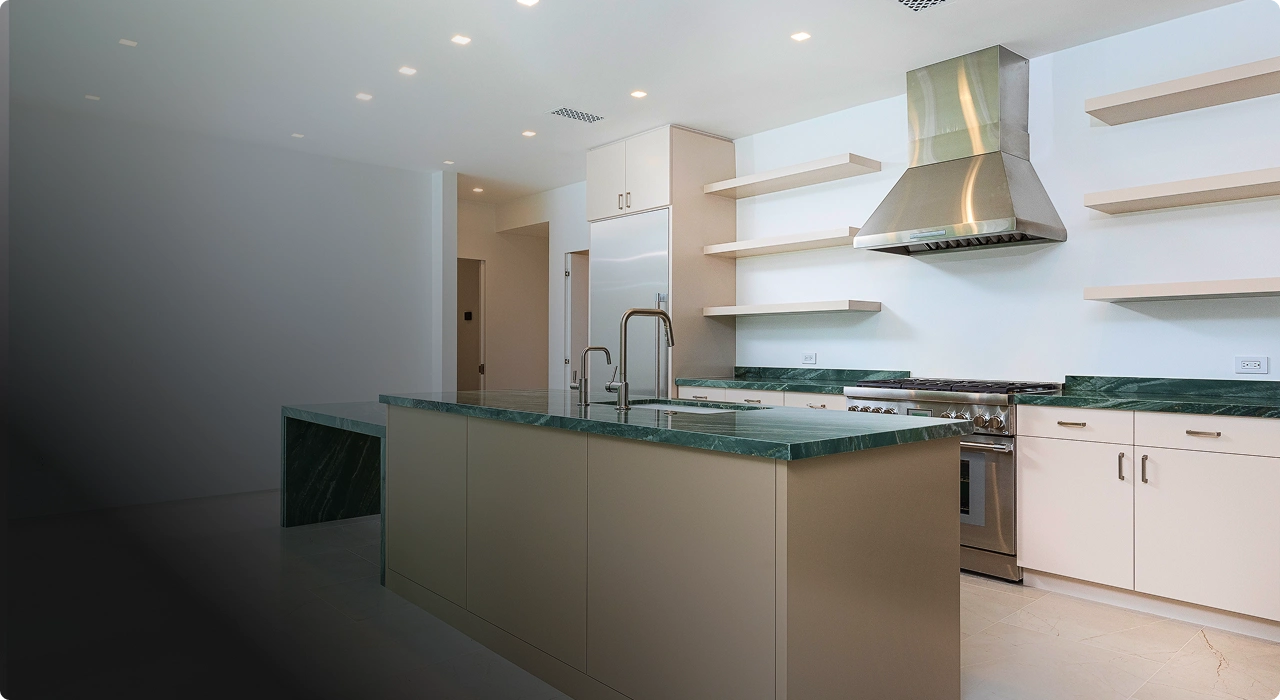
Pasadena
Canon Drive — Mid-Century Revival
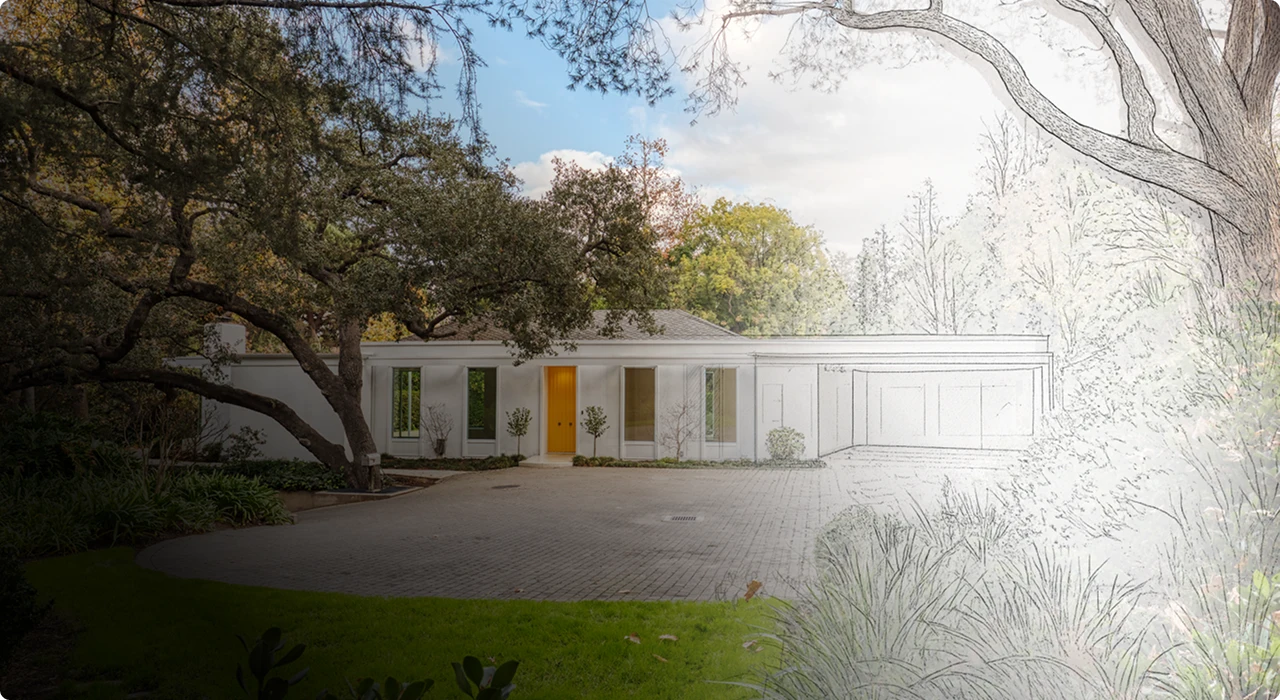
A 3,300 sq ft mid-century contemporary originally designed by Bob Ray Offenhauser in 1962. Full systems-level renovation — new roof, plumbing, electrical, HVAC — without touching the design language that made it worth saving.
View projectFree tool
What will your build cost?
Pick your build type, finish level, site, and size. Get a real West LA ballpark in seconds — no email required to see the number.
What clients say
5.0 stars. Every review.
Not only are they highly skilled in all areas of development, from sourcing to building to managing, they are client focused and treat each home as if they were building it for themselves. YAF Development will forever be my go-to.
Vanessa Desrochers · Google Review
First class competence and integrity! Excellent experience.
Zeinab Dabbah · Google Review
Common questions
What clients and architects ask us.
In 2026, luxury ground-up construction in Los Angeles typically costs $600 to $900 per square foot for ultra-luxury finishes. A 6,000 sq ft custom home runs $3.6M to $5.4M depending on site complexity, structural scope, and finish level. Hillside builds, architectural concrete, and bespoke finishes push costs higher. We provide detailed pre-construction budgeting with your architect before any commitment — use our free cost estimator for an instant ballpark.
YAF Development specializes in architecturally complex projects most contractors avoid — hillside builds, architectural concrete, custom steel, and multi-system integration. Every project is led personally by founder Yousef Al-Fassi, giving you one point of contact instead of a coordinator you've never met. We treat architects as peers, run weekly OAC meetings, and keep fully transparent, open-book accounting with no surprise change orders.
YAF Development works alongside your architect — we are not a design-build firm. Our approach is architect-first: we execute the architect's design vision and protect it through every phase of construction. This means the architect's intent is preserved through change orders, inspections, and finish installations — not redesigned in the field.
YAF Development serves luxury residential neighborhoods across Los Angeles: Bel Air, Brentwood, Pacific Palisades, Beverly Hills, Holmby Hills, La Cañada Flintridge, Pasadena, Altadena, Encino, and Studio City. We're currently building an 11,000 sq ft ground-up custom residence in La Cañada Flintridge — the site is open to walk if you'd like to see how we work.
YAF Development has bid and scoped multiple fire rebuild projects in Altadena and Pacific Palisades. We have deep familiarity with insurance-funded timelines, structural demolition requirements, and the specific agency permitting that makes these projects uniquely difficult. We understand the full process and are equipped to manage fire rebuilds from demolition through reconstruction.
Let's talk
Have a project most GCs won't touch?
That's exactly the kind we want. Send the plans, or call and we'll walk the site.
Last updated: June 2026